Green Initiatives: How E-Waste Recycling Services Are Protecting Our Planet
Electronic waste presents serious dangers to the environment, as disposed electronics frequently harbor hazardous substances. These hazardous substances can contaminate soil and water, causing extensive damage to surrounding ecosystems. E-waste recycling services present a viable solution. They not only recover valuable resources but also mitigate pollution. Understanding how these services operate and their impact on communities is essential. The path to successful electronic waste management prompts vital discussions about personal accountability and communal efforts. What actions should be considered going forward?
Why E-Waste Poses a Threat to the Planet
Although technology enriches modern life, electronic waste presents considerable environmental hazards. Abandoned electronic gadgets, frequently composed of dangerous compounds like mercury, lead, and cadmium, can leach toxins into soil and groundwater, creating hazards for ecosystems and human health. The accelerating rate of technological innovation results in increased consumer turnover of electronics, worsening the buildup of electronic waste.
Landfills, already burdened with waste, struggle to accommodate the growing volumes of discarded gadgets. Incineration, a common waste management technique, emits dangerous pollutants into the environment, degrading atmospheric conditions. Furthermore, inadequate recycling methods can result in the shipment of electronic waste to underdeveloped nations, where workers may break down equipment without proper protective measures, putting themselves at risk of exposure to hazardous materials. This ongoing cycle of carelessness and inadequate management emphasizes the pressing necessity for responsible recycling initiatives that can lessen the harmful consequences of e-waste on our world.
What Is E-Waste and Why Is It Important?
E-waste, also referred to as electronic waste, includes discarded electronic devices including televisions, computers, and smartphones that are no longer functional or needed. This growing category of waste is significant due to its rapid accumulation, driven by technological advancements and consumer trends. With an increasing number of devices reaching obsolescence, the environmental impact intensifies, with toxic materials such as lead, mercury, and cadmium threatening both ecosystems and public health.
Addressing e-waste is crucial not only for reducing these dangers but also for acknowledging the precious materials found within it. Critical metals and rare earth components can be reclaimed and recycled, decreasing the reliance on mining and protecting natural resources. With a thorough understanding of e-waste and its impact, people and organizations alike can make educated decisions about disposal and recycling, helping to build a more sustainable world. Responsible management of e-waste plays a key role in supporting a circular economy and championing environmental stewardship.
The Way E-Waste Recycling Functions
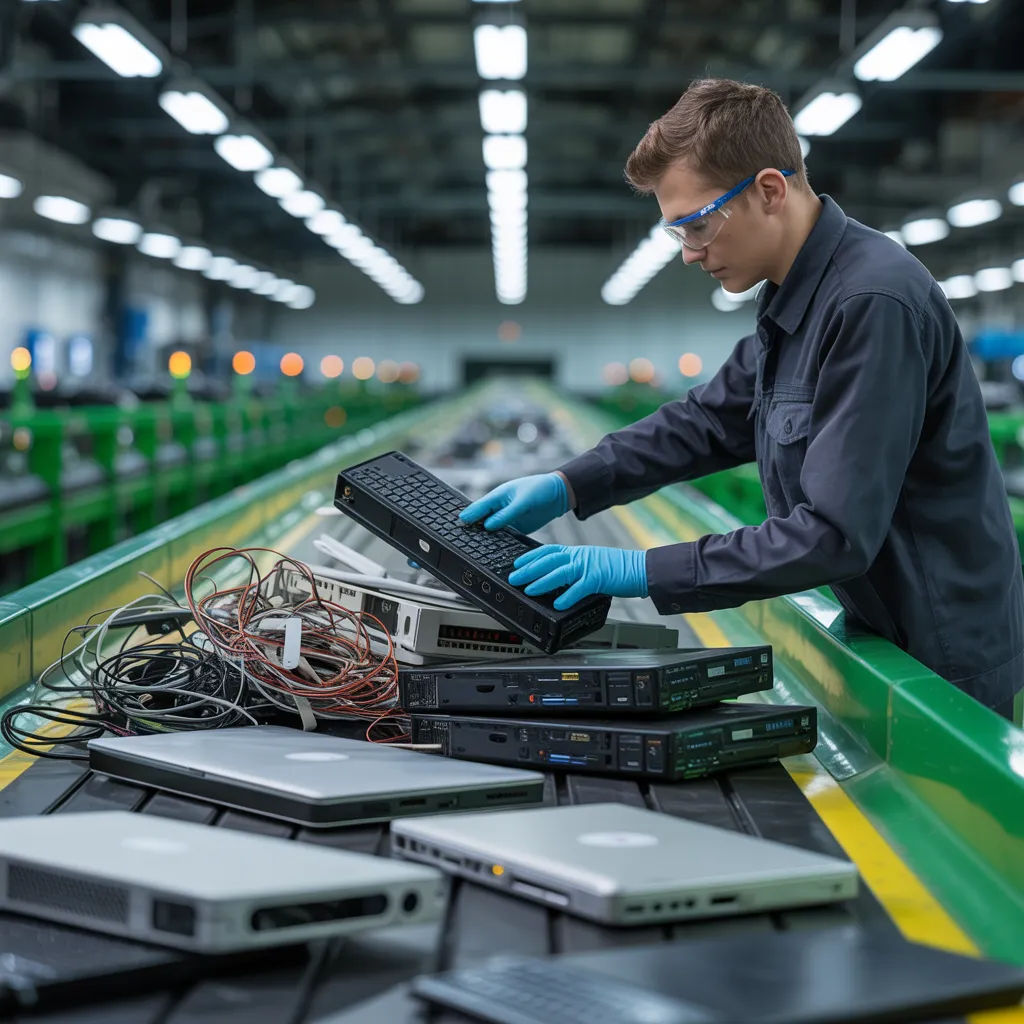
E-waste recycling entails a structured approach aimed at reclaiming useful resources while limiting ecological damage. At the outset, discarded electronics are retrieved and sent to purpose-built recycling plants. After reaching the facility, the devices undergo thorough sorting to separate hazardous components from recyclable materials.
Next, technicians deconstruct the items, separating metals, plastics, and glass. This phase is essential, as it enables the reclamation of valuable metals like silver, gold, and copper, which can be reused in modern electronics.
Afterward, the divided materials are processed through advanced techniques, such as chemical treatments and shredding, to prepare them for recycling.
In the final step, the residual hazardous waste is handled with responsibility, following eco-friendly standards. This multi-step approach not only preserves valuable resources but also minimizes the hazards associated with irresponsible electronic waste disposal, guaranteeing a greener future for the consumption of electronics.
Why E-Waste Recycling Matters for You and Your Community
Though many people are unaware, the benefits of e-waste recycling go far beyond individual benefit and actively shape entire communities. By properly recycling electronic waste, individuals play a role in creating a safer environment, minimizing harmful substances that can contaminate soil and water. This responsible method helps preserve local ecosystems and supports public health.
Moreover, e-waste recycling promotes job creation within communities. Regional recycling centers frequently need staff for numerous tasks, covering everything from collection to processing, therefore offering work opportunities to area workers. This not only stimulates the local economy but also inspires community dedication to sustainable efforts.
Additionally, awareness of e-waste recycling is capable of inspiring learning opportunities, enabling residents to make environmentally conscious decisions. By enrolling in e-waste recycling programs, individuals foster a culture of sustainability, prompting others to do the same. All things considered, the combined impact of these actions can result in a more resilient and environmentally responsible community.
Tips for Choosing an E-Waste Recycling Service
Selecting the best e-waste recycling service is essential for guaranteeing that e-waste is processed in a responsible and sustainable manner. To begin, individuals should verify the service's credentials, such as R2 or e-Stewards, which signify adherence to professional guidelines for safe recycling practices. It's also important to evaluate the organization's credibility by reading customer reviews and obtaining recommendations from trusted sources.
Moreover, clarity in the recycling process is essential. A dependable provider should provide clear information about the way e-waste is handled and what becomes of the materials. Additionally, assessing the variety of services available can be advantageous; certain providers may offer collection services or present rewards for recycling.
In addition, learning about regional rules concerning e-waste disposal can further guide the evaluation process. Through focusing on these key aspects, residents can actively participate in effective Explore now e-waste management as well as promoting environmentally responsible practices.
Ways You Can Participate in E-Waste Recycling?
Engaging in e-waste recycling often starts at the local level, where recycling centers often provide essential services for responsible disposal. Furthermore, joining community awareness campaigns can enhance efforts to inform others regarding the importance of ethical e-waste practices. These initiatives not only encourage sustainable practices but also build a collective sense of stewardship of the environment.
Regional Recycling Centers
Numerous local recycling centers fulfill a critical purpose in the recycling of e-waste, offering communities convenient opportunities to handle electronic waste in a responsible manner. These centers accept a variety of electronic equipment, including aging computers, cell phones, and television sets, making certain that hazardous materials are managed safely. Most stations have trained staff who support individuals in understanding proper disposal practices, underscoring the benefits of recycling compared to landfilling. In addition, numerous facilities provide scheduled drop-off occasions or specific collection dates, allowing residents to take part with ease. By utilizing these local services, individuals contribute to a circular economy, reducing environmental impact and promoting sustainable practices. Connecting with these stations empowers communities to take action against e-waste pollution effectively.
Community Outreach Campaigns
Nearby organizations, schools, and enterprises can collaborate to host events that promote e-waste collection drives. Community members can serve a critical function in raising awareness, sharing informational resources, and connecting with local residents. Through these collective efforts, local inhabitants gain greater awareness and encouragement to properly recycle their e-waste, thereby helping to build a greener and more sustainable tomorrow.
Answers to Your Most Common Questions
What Kinds of Electronics Can Be Recycled?
A wide range of electronics can be recycled, including laptops, televisions, smartphones, printers, computers, and gaming consoles. In addition, peripherals such as mice, keyboards, and batteries are well-suited for recycling, supporting eco-friendly conservation initiatives.
Is There a Cost Associated With E-Waste Recycling?
That's correct, e-waste disposal may involve charges, based on the provider. Some facilities apply costs for pickup or handling, while some providers offer free services, often subsidized by the resale of recovered materials.
What Are the Benefits of E-Waste Recycling for Businesses?
Organizations can gain from e-waste recycling by minimizing disposal costs, strengthening their ecological standing, complying with regulations, reclaiming useful materials, and potentially generating revenue through resale, thus supporting a greener and more sustainable operational framework.
What Occurs with Data on Recycled Devices?
Information from recycled electronics is frequently irretrievably wiped or destroyed throughout the recycling process. This confirms confidential data remains secure, blocking unwanted intrusion while permitting components to be reused carefully and ethically in new products.
Are Broken Electronics Eligible for Recycling?
Absolutely, non-functioning electronics can be recycled. Numerous facilities take in broken devices, ensuring proper disposal and recovery of useful materials. It helps reduce harm to the environment while promoting responsible recycling practices to manage e-waste efficiently.