Green Initiatives: How E-Waste Recycling Services Are Protecting Our Planet
E-waste represents a considerable hazard to the environment, as disposed electronics frequently harbor hazardous substances. These hazardous substances can contaminate soil and water, causing extensive damage to surrounding ecosystems. Electronic waste recycling programs offer an effective remedy. They not only recover valuable resources but also mitigate pollution. Understanding how these services operate and their impact on communities is essential. The path to successful electronic waste management prompts vital discussions about personal accountability and communal efforts. What actions should be considered going forward?
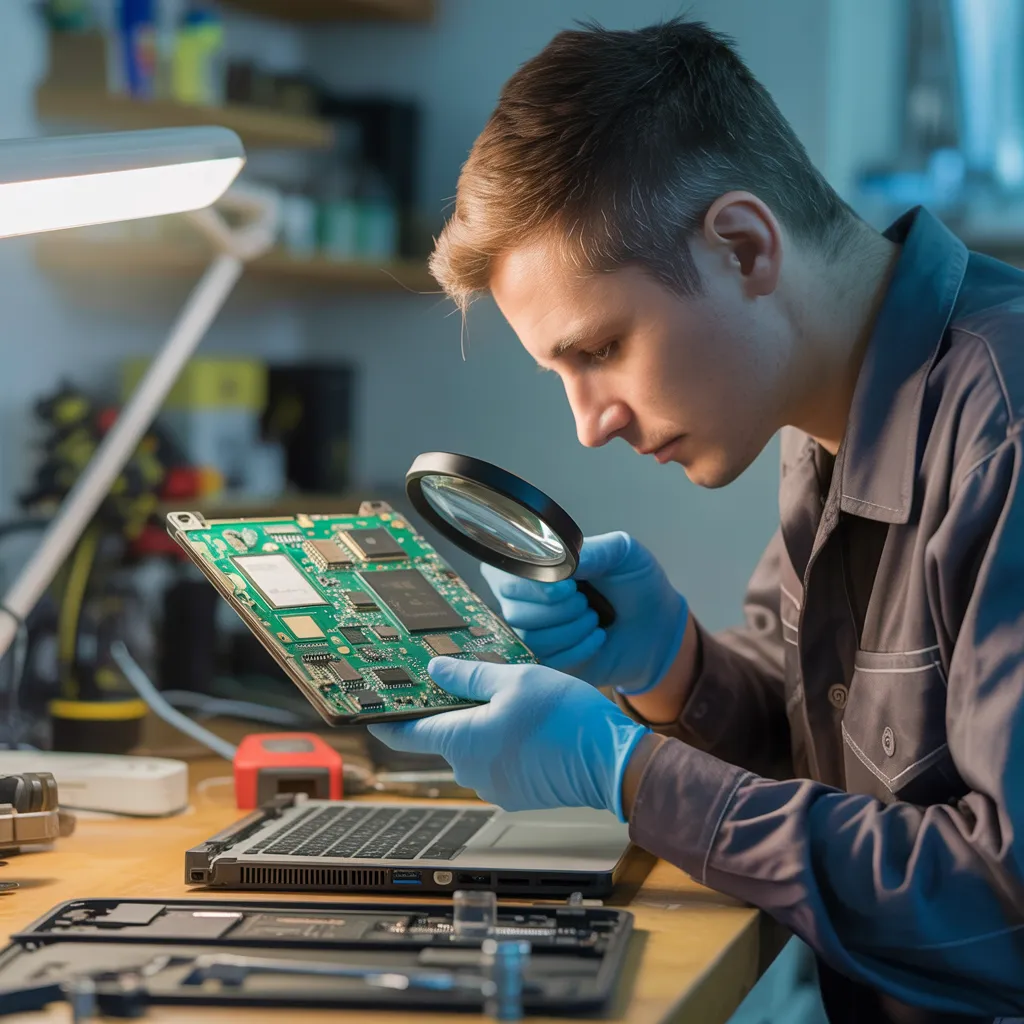
Why Electronic Waste Is Harmful to the Planet
While technology enriches modern life, e-waste creates significant environmental threats. Disposed electronic equipment, commonly laden with dangerous compounds like lead, mercury, and cadmium, may release harmful substances into the surrounding soil and water supply, posing risks to both wildlife and human well-being. The swift progression of technology results in greater consumer replacement of electronic devices, exacerbating the accumulation of discarded electronic materials.
Landfills, already burdened with waste, struggle to accommodate the growing volumes of discarded gadgets. Burning, an alternative disposal approach, discharges toxic contaminants into the air, worsening overall air quality. In addition, improper recycling practices can lead to the exportation of e-waste to developing countries, where laborers may dismantle devices without adequate safety measures, exposing themselves to dangerous substances. This cycle of neglect and improper handling underscores the urgent need for sustainable recycling solutions that can mitigate the adverse effects of e-waste on the planet.
What Is E-Waste and Why Does It Matter?
Electronic waste, commonly known as e-waste, encompasses unwanted electronic equipment like televisions, computers, and smartphones that have reached the end of their useful life. This growing category of waste is significant owing to its accelerating volume, driven by technological advancements and consumer trends. As more devices become obsolete, the toll on the environment grows more severe, with toxic materials such as lead, mercury, and cadmium presenting serious hazards to the environment and human well-being.
The significance of tackling e-waste extends beyond minimizing these risks to recognizing the valuable resources it holds. Critical metals and rare earth components can be reclaimed and recycled, decreasing the reliance on mining and protecting natural resources. Through a deeper awareness of e-waste and its consequences, both individuals and organizations can make well-informed choices regarding disposal and recycling, thereby supporting a more sustainable future. Responsible management of e-waste plays a key role in supporting a circular economy and championing environmental stewardship.
How E-Waste Recycling Works
E-waste recycling entails a structured approach designed to recover valuable materials while reducing harm to the environment. Initially, electronic waste is gathered and delivered to dedicated processing centers. Once there, the electronics are carefully categorized to separate hazardous components from recyclable materials.
After this step, employees dismantle the products, separating metals, plastics, and glass. This phase is essential, as it enables the retrieval of precious metals like silver, gold, and copper, which may be utilized in new electronic products.
Afterward, the isolated materials are treated through cutting-edge techniques, such as shredding and chemical treatments, to refine them for further use.
Ultimately, the leftover hazardous waste is handled with responsibility, complying with environmental regulations. This comprehensive process not only preserves valuable resources but also minimizes the hazards linked to improper e-waste disposal, ensuring a more sustainable Complete guide future for the consumption of electronics.
Benefits of E-Waste Recycling for You and Your Community
While many individuals may not realize it, the positive effects of e-waste recycling reach well past personal use to meaningfully influence entire communities. By responsibly disposing of electronic waste, individuals play a role in creating a cleaner environment, minimizing hazardous materials that can seep into soil and water. This proactive approach helps preserve local ecosystems and promotes public health.
In addition, e-waste recycling promotes employment opportunities within local communities. Community recycling operations commonly require workers for a range of functions, covering everything from collection to processing, therefore offering work opportunities to area workers. This not only stimulates the local economy but also fosters community involvement in eco-friendly practices.
In addition, knowledge about e-waste recycling can lead to community outreach programs, equipping residents to embrace sustainable practices. By taking part in e-waste recycling programs, individuals foster a culture of sustainability, encouraging others to do the same. In summary, the collective impact of these actions can contribute to a more resilient and environmentally responsible community.
How to Choose an E-Waste Recycling Service
Choosing the best e-waste disposal service is essential for making sure that electronic refuse is handled in a responsible and sustainable manner. Initially, people should verify the provider's credentials, such as e-Stewards or R2, which signify adherence to professional guidelines for safe recycling practices. It is equally important to assess the provider's standing by checking reviews and seeking recommendations from trusted sources.
Moreover, transparency in the recycling process is vital. A trustworthy provider should supply straightforward details about the way e-waste is handled and what becomes of the materials. Moreover, evaluating the range of services offered can be beneficial; various firms may supply retrieval services or extend benefits for recycling.
Ultimately, being aware of local regulations regarding e-waste disposal can additionally influence the choice of disposal method. When these considerations are given priority, residents can actively participate in responsible e-waste disposal alongside encouraging sustainable environmental efforts.
How You Can Take Part in E-Waste Recycling?
Getting involved with e-waste recycling may begin at the local level, where recycling centers frequently offer essential services for safe disposal. Additionally, taking part in community awareness campaigns can strengthen efforts to raise awareness about the importance of responsible e-waste management. These actions not only advance environmental sustainability but also foster a collective sense of responsibility toward the environment.
Area Recycling Stations
Numerous regional recycling hubs serve a vital function in e-waste recycling, providing communities with accessible options to manage electronic waste appropriately. These facilities handle a variety of electronic items, including aging computers, cell phones, and television sets, making certain that hazardous materials are managed safely. Many hubs feature qualified professionals who are able to assist individuals with correct disposal techniques, highlighting the value of recycling rather than landfilling. Additionally, various hubs coordinate drop-off events or designated collection days, making participation convenient for residents. By utilizing these local services, individuals contribute to a circular economy, reducing environmental impact and promoting sustainable practices. Connecting with these stations enables communities to combat e-waste pollution successfully.
Community Outreach Campaigns
Nearby organizations, schools, and enterprises can partner to arrange initiatives that encourage e-waste collection drives. Community members can serve a critical function in promoting knowledge, handing out educational content, and interacting with the surrounding community. By means of these joint initiatives, local inhabitants gain greater awareness and encouragement to properly recycle their e-waste, thus playing a meaningful role in creating a more environmentally responsible future.
Questions We Often Receive
Which Types of Electronics Are Recyclable?
Many different electronics are able to be recycled, including laptops, televisions, smartphones, printers, computers, and gaming consoles. Additionally, peripherals such as mice, keyboards, and batteries are equally appropriate for recycling, supporting sustainable environmental practices.
Is There a Cost Associated With E-Waste Recycling?
That's correct, e-waste disposal can include fees, based on the provider. Certain providers impose charges for collection or processing, while other facilities offer free services, frequently supported by the sale of reclaimed components.
How Do Businesses Gain From E-Waste Recycling?
Companies can take advantage of e-waste recycling by lowering disposal expenses, enhancing their environmental image, complying with regulations, extracting valuable resources, and creating potential earnings via resale, ultimately contributing to a more sustainable operational strategy.
What Becomes of Data on Recycled Devices?
Details on refurbished electronics is frequently permanently erased or eliminated during the refurbishment process. This guarantees private details is kept safe, blocking unwanted intrusion while allowing resources to be reused carefully and ethically in new products.
Is It Possible to Recycle Damaged Electronics?
Absolutely, damaged electronics may be recycled. A wide range of centers receive damaged devices, providing proper disposal and recovery of useful materials. This effort helps reduce harm to the environment while fostering sustainable recycling habits to manage electronic waste responsibly.